The 16-day rule, and the new code for the months you miss it
RPM device supply is paid on distinct transmission days, and fifteen days is not ninety-four percent of sixteen — it is a different code. What counts as a transmission day, what does not, and how the 2–15 day tier changes the arithmetic.
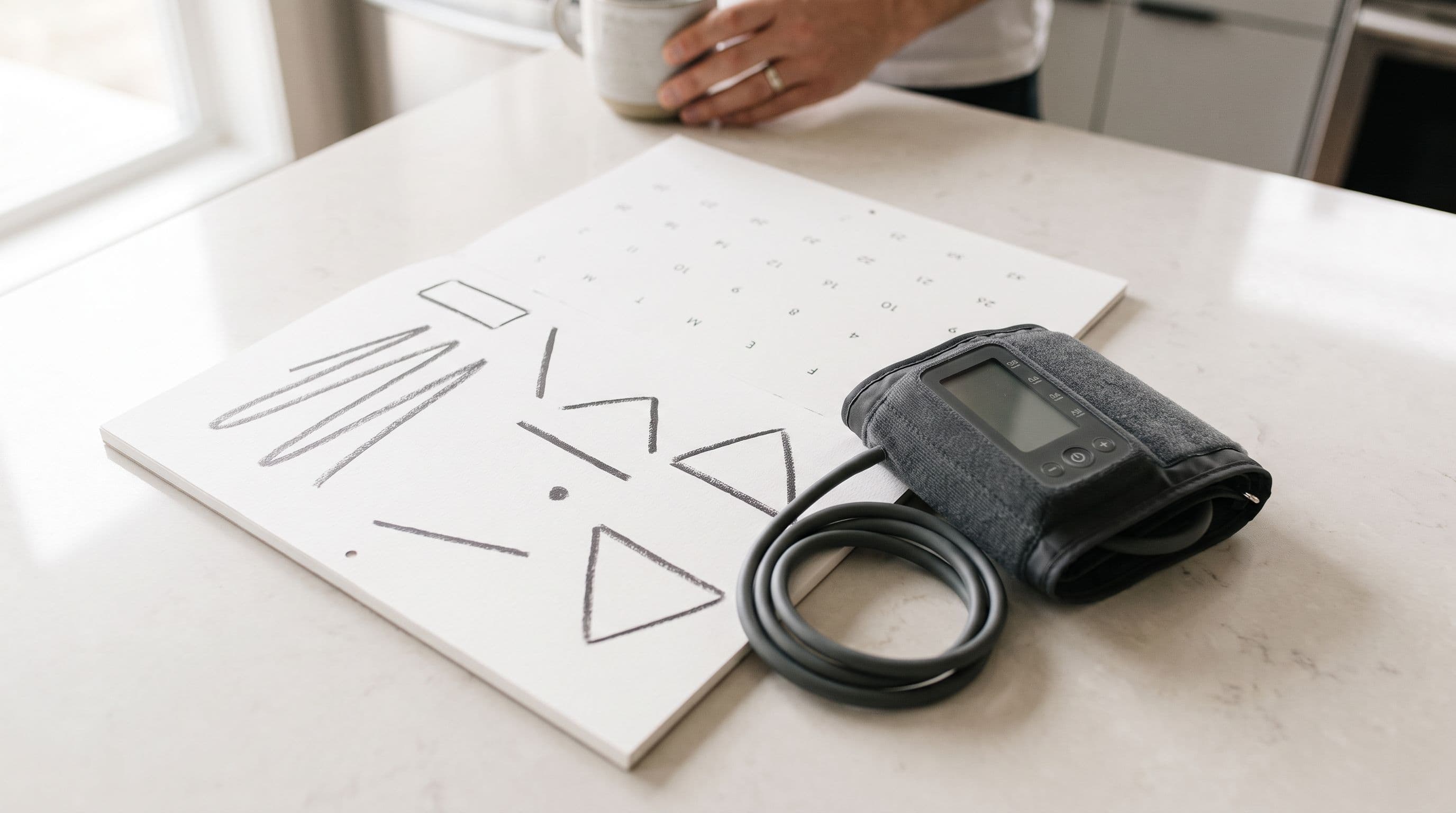
Remote patient monitoring pays on two separate axes, and confusing them is the source of most RPM billing errors.
The device axis pays for supplying equipment that transmits physiologic data. It is a counting problem: how many distinct days did the device send a valid reading?
The management axis pays for clinical time spent on that data. It is an evidence problem, and it carries a separate requirement — a synchronous, real-time conversation with the patient — that has nothing to do with day counts.
This post is about the first one.
Sixteen days is a threshold, not a target
The device-supply code 99454 requires at least sixteen distinct days with a valid transmitted reading in a 30-day period. Not sixteen readings — sixteen separate calendar days.
The critical thing to internalise: a period with fifteen transmission days is not "almost" a 99454. It is not ninety-four percent of the payment. Historically it was zero, and getting it wrong in either direction is a problem. Undercounting leaves earned revenue unbilled. Overcounting is a false claim.
The 2–15 day tier changes the shape of the month
For 2026, CMS added a device-supply code covering periods with two to fifteen transmission days: 99445. It pays less than the full tier, but it converts a category of month that used to pay nothing at all.
The two device-supply codes are mutually exclusive. One 30-day period resolves to 99445 or 99454, never both.
| Distinct transmission days in the period | Device supply code |
|---|---|
| 16–30 | 99454 |
| 2–15 | 99445 |
| 0–1 | Not billable for device supply |
This matters more than it first appears. Before 99445, a patient who transmitted eleven days in a month was a total loss for that period — and the practical response was often to enroll only patients who seemed likely to be highly adherent. The partial tier means moderate adherence is now worth something, which widens who is reasonable to enroll.
It also means the day count has to be right, not just above or below sixteen, because the count now selects between two codes rather than between billing and not billing.
What counts as a transmission day
A billable RPM device must meet the FDA definition of a medical device, and it must transmit data automatically and digitally to the practice. Both halves matter.
Counts:
- A cellular blood-pressure cuff that sends a reading on its own when the patient uses it.
- A connected scale, glucometer, or pulse oximeter transmitting through a gateway.
- Any FDA-defined medical device where the data path from patient to practice involves no human retyping.
Does not count:
- A patient typing numbers into an app or a portal.
- A photograph of a cuff display sent by text.
- Readings copied from a consumer fitness tracker or a phone health app.
- A nurse entering values a patient read out over the phone.
Patient-reported data is not worthless — it is useful clinical context, and sometimes it is the only data you have. But it is engagement, not a transmission day, and it cannot support a device-supply claim.
This is why the device choice is a compliance decision and not a procurement decision. Cellular devices with their own connectivity remove the entire category of failure where a patient uses the device faithfully and the data never arrives because a phone was not paired or a home network changed passwords.
The setup code has a condition attached
99453 pays once per episode for device setup and patient education. It is payable only if the patient reaches the data threshold in the first 30-day period.
Practically: you cannot bill setup for a patient who was enrolled, shipped a device, educated, and then never used it. The setup work happened, and it is unbillable anyway. Which is a reasonable place to spend effort — the enrollment conversation that produces a patient who will actually transmit is worth more than the enrollment itself.
Two other rules worth knowing
Established patients only. RPM requires a face-to-face service by the billing practitioner, or someone in the same billing group, within the prior year, plus a valid practitioner order for every enrollment.
One biller per period. Only one practitioner may bill RPM for a patient in a given 30-day period, and you cannot run concurrent remote therapeutic monitoring on the same data. If another practice is already monitoring the patient, your claim is a duplicate — and you will not find that out from the patient, who almost certainly does not know.
The intervention that actually changes the outcome
Here is the part that is about operations rather than rules.
Knowing at the end of the month that a patient hit eleven days is bookkeeping. Knowing on day eighteen that a patient is on pace for eleven days is an opportunity — there is still time for a phone call that finds out the cuff is in a drawer because the patient thought they had finished.
That is why we treat drifting transmission counts as outreach tasks with a deadline rather than as a metric on a dashboard. The count itself is reconciled from the device feed rather than estimated, and the period resolves to whichever code the actual count supports. Nobody tallies anything by hand, and nobody rounds up.
The rule is arithmetic. Getting paid correctly for it is a workflow.
Related: how we handle the RPM gates.
Written by ITAS Health. Everything here is general information about published rules, not legal, regulatory, coding, or billing advice, and rules change. Verify against current CMS guidance and your own compliance counsel before acting. Corrections are genuinely welcome — tell us what we got wrong.